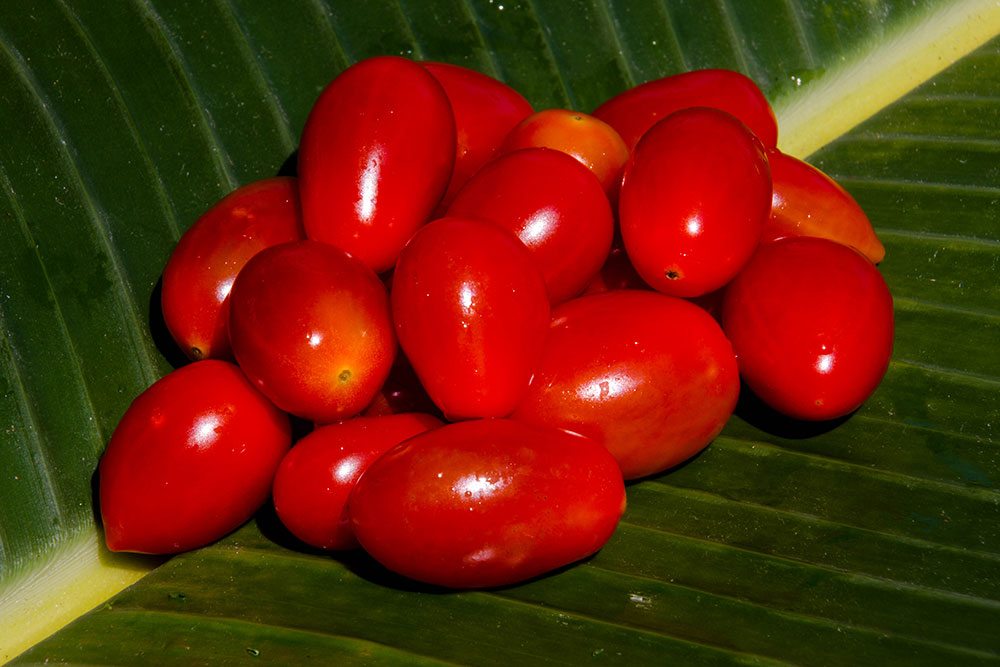
Cherry tomatoes
Why Cherry tomatoes were called apples of gold
Cherry tomatoes are a type of tomato that originated in Italy. They were first grown by the Romans around 200 AD and were later introduced to other parts of Europe. Today, there are many different varieties of cherry tomatoes available.
Why are they so popular? Here are some interesting facts about this delicious fruit! (yes, tomatoes are classified as fruits)
There are several reasons why people love cherry tomatoes. First, they’re easy to grow and maintain. Second, they’re very versatile and can be used in salads, pasta dishes, soups, and even pizza. Third, they’re low in calories and high in fiber. Fourth, they’re inexpensive and last for a long time when stored properly. And finally, they’re fun to eat because they’re small and sweet.
They were first grown by the Romans.
In fact, the word “tomato” comes from the Italian language and means “little apple.” It was originally called “Pomodoro,” meaning “apple of gold.” However, the name changed after the tomato became popular among the Italians.
In the Middle Ages, they were used as food for the poor.
During the Renaissance period, the tomato was introduced to Europe by Spanish explorers. They brought the fruit back to Italy, where it quickly spread throughout the country. By the 16th century, the tomato had become so popular that it was considered an exotic delicacy.
By the 17th century, they were being exported from Italy.
In the 18th century, the first commercial cultivation of tomatoes began in England. It wasn’t until the 19th century that tomatoes became widely available in grocery stores.
Today, they are still popular around the world.
Today, people eat more than 1 billion pounds of cherry tomatoes every year. They are grown commercially in California, Florida, Georgia, North Carolina, South Carolina, Texas, Virginia, and Washington.
The nutrient fact below is based on 100 grams of Tomatoes, red, ripe, raw, year-round average.
Vitamins
Vitamin C, total ascorbic acid mg 13.7
Thiamin mg 0.037
Riboflavin mg 0.019
Niacin mg 0.594
Vitamin B-6 mg 0.08
Folate, DFE µg 15
Vitamin B-12 µg 0
Vitamin A, RAE µg 42
Vitamin A, IU IU 833
Vitamin E (alpha-tocopherol) mg 0.54
Vitamin D (D2 + D3) µg 0
Vitamin D IU 0
Vitamin K (phylloquinone) µg 7.9
Lipids
Fatty acids, total saturated g 0.028
Fatty acids, total monounsaturated g 0.031
Fatty acids, total polyunsaturated g 0.083
Fatty acids, total trans g 0
Cholesterol mg 0
Proximates
Water g 94.52
Energy kcal 18
Protein g 0.88
Total lipid (fat) g 0.2
Carbohydrate, by difference g 3.89
Fiber, total dietary g 1.2
Sugars, total g 2.63
Minerals
Calcium, Ca mg 10
Iron, Fe mg 0.27
Magnesium, Mg mg 11
Phosphorus, P mg 24
Potassium, K mg 237
Sodium, Na mg 5
Zinc, Zn mg 0.17