Cane sugar
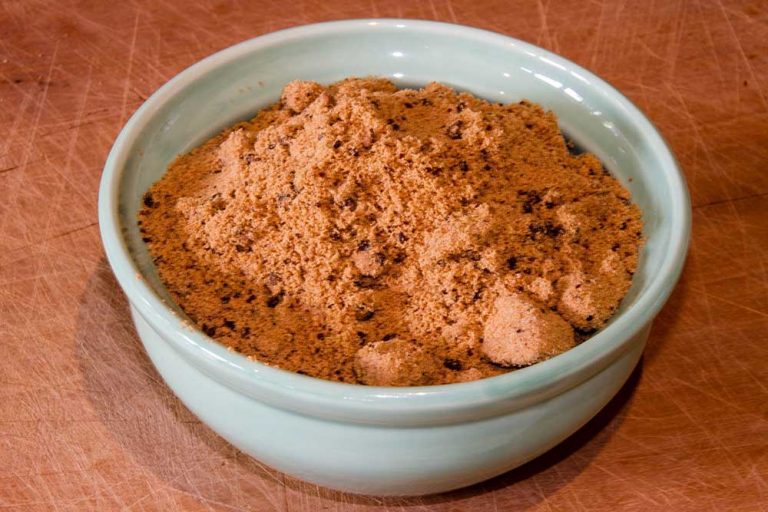
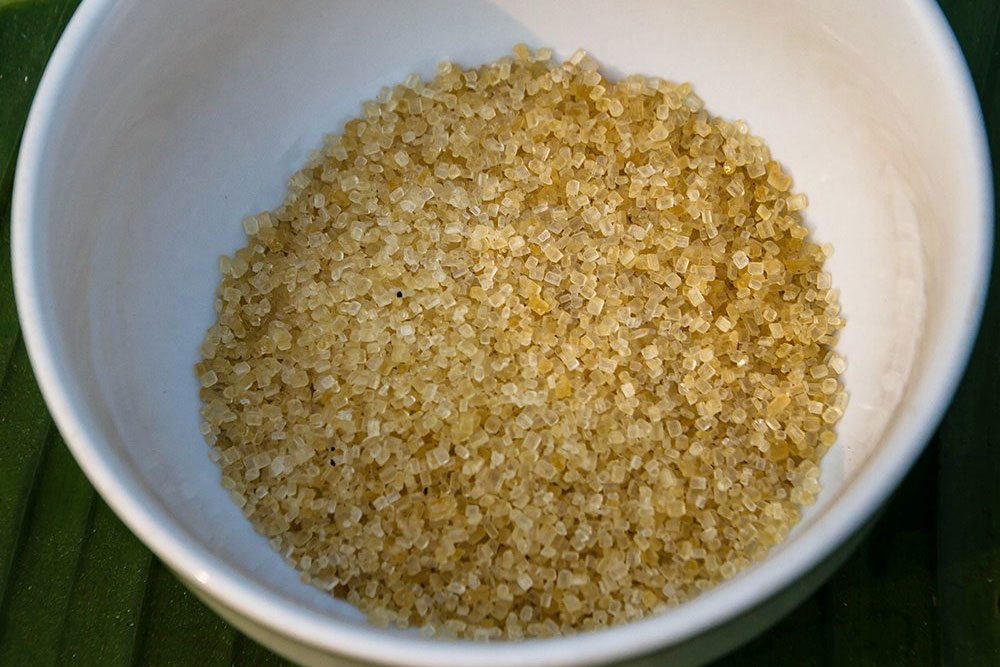
Cane sugar is made from sugar canes. Thailand is one of the worlds biggest producers of sugar canes.
Sugar is believed to be one of the oldest ingredients with a track record dating back to 8000 BC
Sugar is the same addictive as cocaine and we already have a craving for sugar as newborn. You will also find there are big amounts of sugar in almost all processed foods. Ketchup contains about 23 % sugar.
The following should be seen as a big joke, but a joke that can provide “food” for some thought. All the facts I have stated are true and can be confirmed with a little googling. But my conclusions are my imagination working overtime, and have no basis in reality, …or have they?
I am not into conspiracy theories whatsoever, but I think a lot of them can be fun to read. My research into sugar made me wonder whether I should make my own conspiracy theory. I have done so and here it comes.
“Food manufacturers use sugar to make people become addicted to their products in order to sell more.”
The facts:
Sugar is as addictive as cocaine, and people have natural caving for sugar when born.
The best way to create a need for your products is to get people to be addicted to them, to make them feel a very strong craving for your products, make people feel bad if they do not get them.
You can argue that people will not be that evil only to make more profit. Lets for the sake of the joke think they will and as in all good conspiracy theories we need some evil people. And let’s take some examples from real life.
It has recently been proved that manufacturers of pet food had added nicotine to their products, so our pets could be addicted to their special brand. The manufactures of cigarettes are known to put extra nicotine and other chemicals in the cigarettes to get people more addicted.
You can then argue that the manufacturers need to put massive amounts of sugar in the food to get the right taste.
That is maybe true but then I do not understand a company, like Heintz. They have a product “Heinz tomato ketchup” there normally contains more than 20% sugar. Lately, there has been a lot of focus on how unhealthy sugar really is.
There have been a lot of discussions in the media about how much sugar there is in different products. In the height of this discussion, Heintz has after more than 100 years of production found a new way to make ketchup where they can reduce the sugar with 75%.
They write on their home page:
“This ketchup recipe has 75 percent less sugar than our classic ketchup, but 100 percent of that rich tomato flavor.”
I can only say in deep respect a big “WELL DONE” but I have to admit, why did it take more than a hundred years.
The above is only my rambling fantasy, but for the fun of it ask yourself why is 9.94% of a carbonated soda sugar and 89.36 water, it leave less than one % for the taste.
And why do the manufacturers use 57 different names for sugar on their product declarations? Do they want to hide something?
The nutrient fact, below, is based on 100 gram of Cane sugar.
Vitamins
Vitamin C, total ascorbic acid mg 0
Thiamin mg 0
Riboflavin mg 0
Niacin mg 0.11
Vitamin B-6 mg 0.041
Folate, DFE µg 1
Vitamin B-12 µg 0
Vitamin A, RAE µg 0
Vitamin A, IU IU 0
Vitamin E (alpha-tocopherol) mg 0
Vitamin D (D2 + D3) µg 0
Vitamin D IU 0
Vitamin K (phylloquinone) µg 0
Lipids
Fatty acids, total saturated g 0
Fatty acids, total monounsaturated g 0
Fatty acids, total polyunsaturated g 0
Cholesterol mg 0
Proximates
Water g 1.34
Energy kcal 380
Protein g 0.12
Total lipid (fat) g 0
Carbohydrate, by difference g 98.09
Fiber, total dietary g 0
Sugars, total g 97.02
Minerals
Calcium, Ca mg 83
Iron, Fe mg 0.71
Magnesium, Mg mg 9
Phosphorus, P mg 4
Potassium, K mg 133
Sodium, Na mg 28
Zinc, Zn mg 0.03