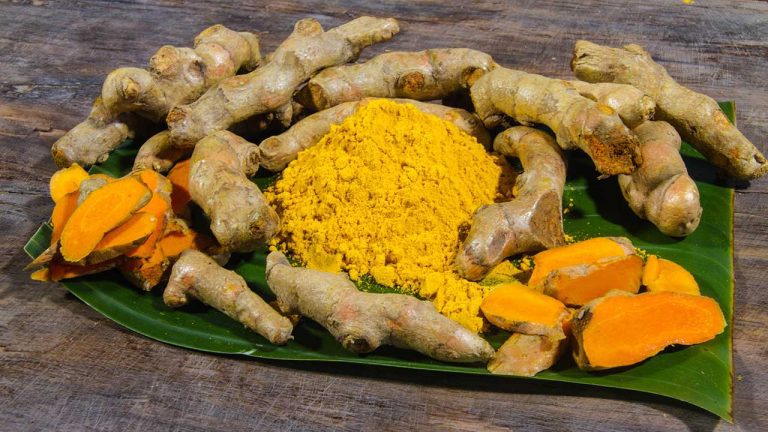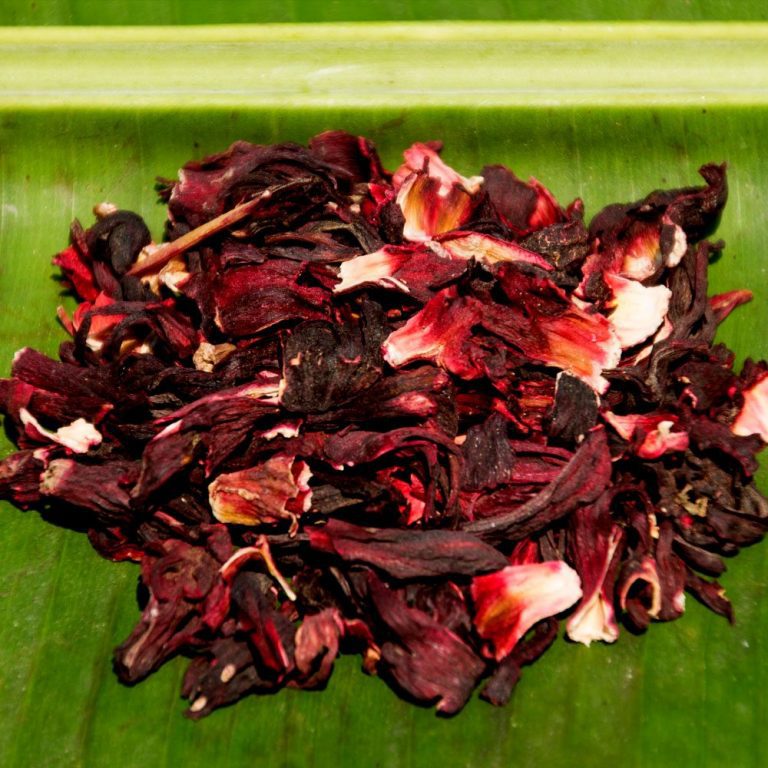
Licorice root, Glycyrrhiza glabra
Glycyrrhiza glabra: Unearthing the Health Benefits of Licorice Root in Thai Traditional Medicine. “Rāk chaxem รากชะเอม,”
I. Delving into the History of Licorice Root in Thai Medicine
In the realm of Thai traditional medicine—also known as Thai herbalism or Thai indigenous medicine—licorice root (Glycyrrhiza glabra) has long been revered for its remarkable array of medicinal properties. Locally referred to as “Rāk chaxem รากชะเอม,” this versatile root has been employed for centuries in Thailand to tackle a myriad of health concerns and maintain overall well-being. Thai traditional medicine has its foundations in ancient Indian Ayurveda and Chinese medicine, enriched by regional Southeast Asian practices. Then, licorice root was introduced to Thai herbalism, which has become a cornerstone ingredient in traditional remedies. Its ability to address various health issues has earned licorice root the affectionate moniker “the grandmother of herbs” in Thai traditional medicine.
II. Exploring the Health Benefits of Licorice Root in Thai Traditional Medicine
A. Breathing Easy: Respiratory Support and Cough Relief
Licorice root occupies a primary role in Thai traditional medicine for alleviating respiratory ailments such as coughs, colds, bronchitis, and asthma. Its expectorant properties aid in loosening and expelling mucus from the respiratory tract, while its soothing nature mitigates throat irritation and suppresses coughing. Licorice root is frequently combined with herbs like ginger or lemongrass to concoct potent herbal remedies for respiratory issues.
B. Digestive Health and Ulcer Relief: Soothing the Gut
Renowned for its capacity to bolster digestive health in Thai traditional medicine, licorice root’s demulcent properties protect and mollify the gastrointestinal tract lining, rendering it an effective remedy for conditions such as gastritis, acid reflux, and peptic ulcers. In Thailand, licorice root is commonly merged with other digestive herbs like fennel, anise, or turmeric to augment its efficacy in treating various digestive disorders.
C. Calming the Storm: Stress Relief and Adrenal Support
Practitioners of Thai traditional medicine have long acknowledged licorice root’s potential in modulating the body’s stress response. Acting as an adrenal tonic, the herb helps balance cortisol levels and buttresses the adrenal glands. In doing so, licorice root enhances the body’s capacity to manage stress and fosters emotional well-being. It is often used in tandem with calming herbs like holy basil or valerian to craft a soothing, stress-relieving tea.
D. Quelling Inflammation and Alleviating Pain
Thai traditional medicine has employed licorice root to reduce inflammation and alleviate pain. Its potent anti-inflammatory properties render it a valuable remedy for conditions such as arthritis, joint pain, and muscle aches. Thai herbalists often amalgamate licorice root with other anti-inflammatory herbs like plai, a local ginger species, to create a topical paste or oil for pain relief.
E. Nurturing Skin Health and Accelerating Wound Healing
Licorice root is also cherished in Thai medicine for its ability to foster skin health and expedite wound healing. Its antimicrobial properties ward off infection, while its anti-inflammatory nature diminishes swelling and redness. Traditional Thai remedies may incorporate licorice root as a topical treatment for skin conditions like eczema, psoriasis, and acne or as an ingredient in wound-healing salves.
III. Savoring Licorice Root Tea and Herbal Teas in Traditional Medicine
A. Licorice Root Tea: Fortifying the Immune System and Shielding the Liver
Licorice root tea has been traditionally imbibed for its health and wellness benefits, particularly its immunomodulatory effects. The saponins present in licorice root, such as glycyrrhizin, have been demonstrated to bolster macrophage activity and antibody production, thereby enhancing the immune system’s ability to combat infections. This immune-boosting property has rendered licorice root tea a popular choice for individuals seeking to fortify their immune systems and maintain good health.
In addition to its immunomodulatory prowess, licorice root tea also supports healthy liver function by safeguarding the liver from toxins, elevating glutathione levels, and promoting bile secretion, which aids in flushing toxins from the gallbladder. The hepatoprotective properties of licorice root tea render it an essential component of liver detoxification and overall well-being.
B. Unleashing Synergistic Effects: Combining Licorice with Other Herbs
Licorice root tea can be blended with other herbs to create herbal infusions that provide an even broader spectrum of health benefits. In Ayurvedic and Thai traditional medicine, licorice root is frequently employed synergistically with other herbs to amplify their medicinal properties. For instance, merging licorice root with ginger or lemongrass yields a flavorful tea. In addition, it imparts additional benefits such as improved digestion, diminished inflammation, and enhanced respiratory health.
Similarly, licorice root tea can be combined with bitter-tasting herbs like dandelion or burdock to bolster healthy liver function and bile production. The saponins in licorice root help refine the palatability of these bitter compounds, making it more agreeable to consume and enjoy the health benefits of such herbal blends.
IV. Proceeding with Caution: Precautions and Considerations
Although licorice root offers many health benefits, consulting with a qualified healthcare practitioner, such as a naturopath or nutritionist, before using it to address specific health conditions or taking it alongside medications is crucial. In addition, some individuals may experience adverse effects or interactions when consuming licorice root, particularly in large quantities or over an extended duration.
In conclusion, licorice root has been an indispensable component of Thai traditional medicine for centuries. Its wide-ranging health benefits, from respiratory support to liver protection, render it an invaluable herb for maintaining overall wellness. Imbibing licorice root tea or incorporating it into herbal blends can enable individuals to reap the benefits of this potent medicinal herb, enhancing their health and well-being.
Disclaimer: This content is for educational and informational purposes only and is not a substitute for professional medical advice. If you have symptoms, a medical condition, or suspect illness, consult a healthcare professional promptly. Do not disregard or delay seeking medical advice based on this information.