
Soy sauce
Soy sauce is one of the worlds oldest condiments, it has been known since 200 BC.
When made the old fashioned way and from healthy raw materials, soy sauce is said to be a healthy product. I will not say what is correct. I will merely compare some facts.
It can take months to make Soy sauce the traditional way. In order not to get too technical i will here give the short version of how to make soy souse.
The sauce is made of salt water, roasted grain and cooked soybeans to this are added a fermentation fungus. The paste must then ferment for several months. For high-quality soy sauce, the fermentation process can easily take up to 18 months. Finally, the soy sauce is pressed out of the paste.
When commercially produced in a modern soy sauce factory, there is normally no 18-month fermentation process, there are instead used another method called chemical hydrolysis. This process includes the chemicals hydrochloric acid and sodium carbonate. This process only takes 8 to 12 hours.
Also, we should not forget that soy sauce is a processed condiment, made up of more than one ingredient. So it is important to look at the ingredient there are used. In the USA about 90 % of the soybeans gen modified.
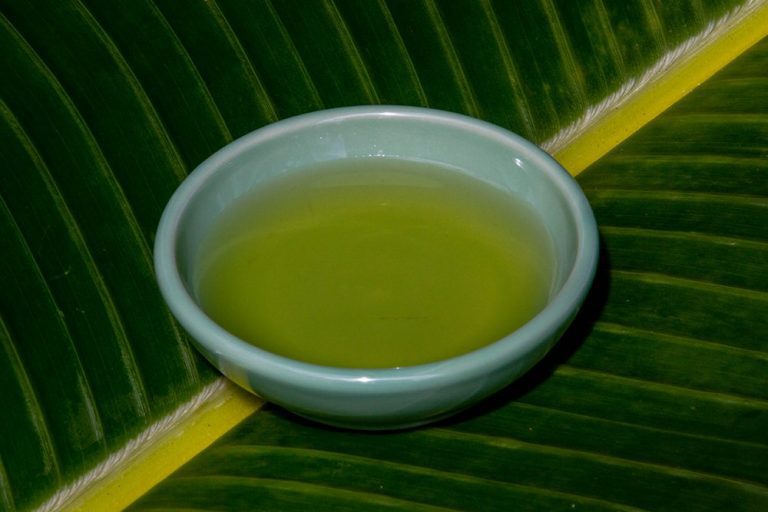
So when shopping for soy sauce spend a little time to find the most healthy looking one. The one you see on the picture is the one i use, it has fermented for 12 months.
The nutrient fact, below, is based on 100 gram of Soy sauce made from soybeans, be aware of not all Soy sauces have the same nutrients.
Vitamin C, total ascorbic acid mg 0
Thiamin mg 0.059
Riboflavin mg 0.152
Niacin mg 3.951
Vitamin B-6 mg 0.2
Folate, DFE µg 18
Vitamin B-12 µg 0
Vitamin A, RAE µg 0
Vitamin A, IU IU 0
Vitamin E (alpha-tocopherol) mg 0
Vitamin D (D2 + D3) µg 0
Vitamin D IU 0
Vitamin K (phylloquinone) µg 0
Lipids
Fatty acids, total saturated g 0.011
Fatty acids, total monounsaturated g 0.017
Fatty acids, total polyunsaturated g 0.044
Fatty acids, total trans g 0
Cholesterol mg 0
Proximates
Water g 66
Energy kcal 60
Protein g 10.51
Total lipid (fat) g 0.1
Carbohydrate, by difference g 5.57
Fiber, total dietary g 0.8
Sugars, total g 1.7
Minerals
Calcium, Ca mg 20
Iron, Fe mg 2.38
Magnesium, Mg mg 40
Phosphorus, P mg 130
Potassium, K mg 212
Sodium, Na mg 5586
Zinc, Zn mg 0.43